Chromosomal Disorder's - Down Syndrome 12th Biology
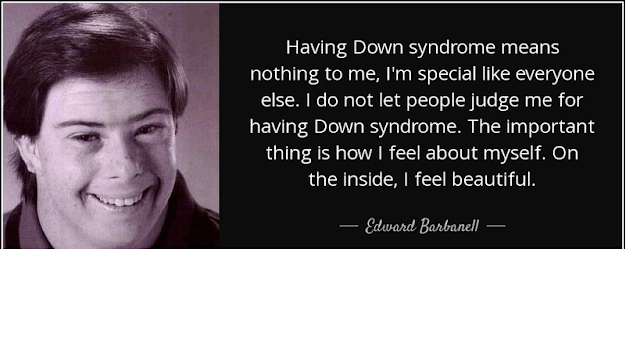
Down Syndrome Down syndrome is a type of genetic disorder first described by Langdon Down in 1866. This disorder is caused due to an extra copy of chromosome 21 in the developed embryo. Normally, the human chromosome contains 46 chromosomes out of which 22 are autosomes and the other one is sex cell. In the process of fertilization, the fertilized egg formed from the fusion of the sperm cell and egg cell contains a copy of 23 chromosomes but in some cases, an Trisomy 21 . This trisomic condition is arisen due to the formation of n+1 male or female gamete by non-disjunction and the subsequent fertilization by a normal (n) gamete. Symptoms - Flat facial feature especially nose. almond eyes. Bulging tongue. Short neck. Big Palm. mental retardedness. Short height including child and adults. D...