Posts

Showing posts with the label biology solution

Phylum Chordata : Part 2
Image
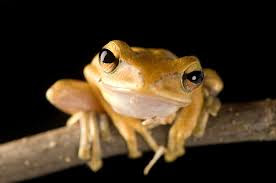
                                       Phylum - Chordata               Class Amphibia  As the name indicates (Gr., Amphi : dual, bios, life), amphibians can live in aquatic as well as terrestrial habitats. Most of them have two pairs of limbs. Body is divisible into head and trunk. Tail may be present in some. The amphibian skin is moist (without scales). The eyes have eyelids.  A tympanum represents the ear. Alimentary canal, urinary and reproductive tracts open into a common chamber called cloaca hich opens to the exterior. Respiration is by gills, lungs and through skin. The heart is threechambered (two auricles and one ventricle). These are cold-blooded animals. Sexes are separate. Fertilisation is external. They are oviparous and development is indirect. Earliest amphibians - Ichthyostega basically a fish wi...

Steps Involved in Pisciculture : Biology Blog

Image
                                              What is Pisciculture? Pisciculture is a branch of animal husbandry that deals with the rearing and cultivation of fish in controlled environments such as ponds, tanks, and other enclosures. The term comes from the Latin words "piscis" , meaning fish, and "culture" , meaning to cultivate or rear. Pisciculture is a major part of aquaculture , which includes the farming of other aquatic organisms like prawns, mollusks, and aquatic plants. Today, pisciculture has become an important source of income and nutrition, especially in countries with access to freshwater and coastal resources. Why is Pisciculture Important? Fish and fish products are considered some of the healthiest sources of animal protein . They are rich in omega-3 fatty acids, vitamins (like D and B2), and essential minerals (like calcium and phosphorus). With i...

Chargaff's rule of DNA | Biology Guide

Image
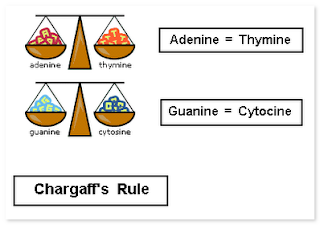
                                      Chargaff's Rule  Erwin Chargaff's proposed two rules which are known as chargaff rules. This role plays a key role in double helix structure discovery. Here the rules are : - Rule 1 -  In DNA structure the total number of purines is equal to a total number of pyrimidine .,i.e., the number of guanine units is equal to the number of cytosine unit and the number of adenine units is equal to thymine units. Rule 2 -   In every species there is a unique composition of  DNA  is present in its body. Hence ,  in double stranded structure of DNA                                       A = T =  1                                   ...

Brown Algae - Classification, Characteristic features , Life Cycle

Image
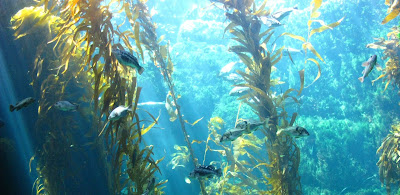
                                          Brown Algae  Classification : - Kingdom -  Chromista                           Phylum -  Ochrophyta Class -         Phaeophyceae  Scientific Name - Phaeophyceae  Commonly Called - Sargassum  Weed Number Of Species -  1500 and mostly they are Marine. Colour - The color may vary from brown to olive green. This is due to the presence of pigment Fucoxanthin and chlorophyll ( a, c ). Characteristics - They are multicellular. They are capable to reproduce through vegetative reproduction (fragmentation ), asexual ( zoospore ), and sexual ( from isogamy to oogamy ). Laminarin and mannitol are present in it as a food material. They follow diplo-haplontic as well as a diplontic life cycle. Kelp ...